
Purchasing the wrong cylinder cart for your gas cylinders can lead to safety hazards, damaged equipment, and wasted money. Before you invest in a cart, understanding your cylinder dimensions is the single most important step you can take.
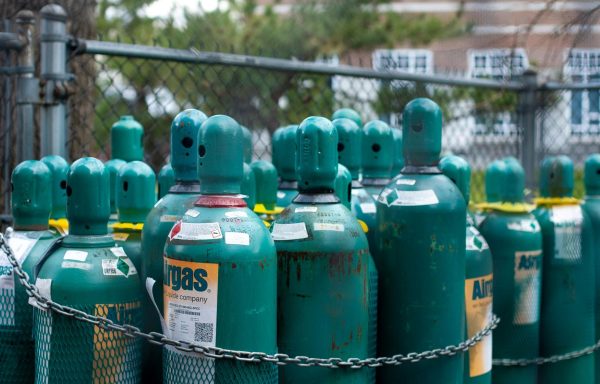
Gas cylinders come in various sizes, from small propane tanks to large industrial oxygen cylinders. Each size requires specific cart features like appropriate cradle width, weight capacity, and securing mechanisms. A cart designed for a 20-pound propane tank won’t safely transport a 240-cubic-foot industrial cylinder, and forcing the wrong cylinder onto an incompatible cart puts workers at risk.
The cost of replacing an inadequate cart, repairing damaged cylinders, or worse—dealing with a workplace accident—far exceeds the time spent measuring your cylinders upfront. Whether you’re outfitting a welding shop, medical facility, or restaurant kitchen, matching cart specifications to cylinder dimensions ensures safe transport, extends equipment life, and keeps your operation running smoothly.
Understanding Standard Gas Cylinder Sizes
Gas cylinders follow industry standards, but sizes vary significantly based on the gas type and intended use. Propane cylinders range from portable 1-pound camping bottles to 420-pound commercial tanks. Industrial gas cylinders, used for welding and medical applications, typically come in sizes labeled A through T, with heights ranging from 9 inches to 55 inches.
Knowing your cylinder’s specific measurements—height, diameter, and weight when full—is necessary before shopping for a cart. Even cylinders containing the same gas can have different dimensions depending on the manufacturer and pressure rating.
Common Cylinder Categories
Medical oxygen cylinders differ from welding gas cylinders in both size and valve configuration. Acetylene cylinders are wider and shorter than most compressed gas cylinders due to their porous filler material. CO2 cylinders used in restaurants and bars have their own dimensional standards.
Don’t assume all cylinders of the same capacity have identical dimensions. Always measure your specific cylinders or check the manufacturer’s specifications.
Weight Capacity Requirements
A cart’s weight rating must exceed your cylinder’s full weight by a comfortable margin. A standard 125-cubic-foot argon cylinder weighs approximately 100 pounds when full, while a 330-cubic-foot cylinder can weigh over 200 pounds. Overloading a cart damages wheels, bends frames, and creates tipping hazards.
Consider whether you’ll transport single or multiple cylinders. If you move two cylinders at once, your cart needs to handle the combined weight plus a safety buffer. Check the cart’s rated capacity, not just for static weight but for dynamic loads during movement over uneven surfaces.
Securing Mechanisms and Cylinder Diameter
The cart’s securing system must fit your cylinder’s diameter. Chain assemblies, ratchet straps, and fixed cradles all have size limitations. A securing mechanism too loose allows cylinders to shift during transport. One too tight won’t accommodate your cylinder at all.
Key measurements to take before purchasing:
- Cylinder diameter at the widest point
- Total cylinder height including valve assembly
- Weight when full and empty
- Valve protection cap dimensions
These measurements determine which cart models will work for your application.
Wheel Size and Terrain Considerations
Where you move your cylinders affects which cart design works best. Small wheels work fine on smooth warehouse floors but struggle with outdoor terrain, loading docks, or facilities with door thresholds.
Terrain-specific wheel requirements:
- Smooth indoor surfaces: 6-8 inch wheels sufficient
- Mixed indoor/outdoor use: 10-12 inch pneumatic wheels recommended
- Rough terrain or gravel: 12+ inch pneumatic or semi-pneumatic wheels
- Stairs or significant obstacles: Stair-climbing cart designs required
Larger wheels also reduce the effort needed to push heavy cylinders, reducing worker fatigue and injury risk.
Single vs. Multiple Cylinder Carts
Your workflow determines whether you need single or multi-cylinder carts. Welding operations often require transporting both fuel gas and oxygen cylinders together, making dual-cylinder carts necessary. Medical facilities typically move one cylinder at a time.
Multi-cylinder carts need adequate spacing between cylinders to prevent valve damage during loading and transport. They also require higher weight capacities and wider wheelbases for stability.
Safety Standards and Compliance
Workplace safety regulations often specify requirements for cylinder transport equipment. OSHA requires cylinders to be secured during transport, and the cart you choose must meet this requirement for your specific cylinder sizes.
Anthony Carts manufactures cylinder carts designed to meet industry safety standards while accommodating various cylinder sizes. Visit our website to find the right cart for your specific cylinders and ensure your operation stays compliant and safe.
Carts should include features like valve protection, anti-tip designs, and appropriate securing mechanisms. These aren’t optional extras—they’re necessities that prevent accidents and protect expensive cylinders from damage.
Long-Term Cost Considerations
Buying the correct cart initially costs less than replacing an inadequate one later. A cart that doesn’t fit your cylinders properly accelerates wear on both the cart and cylinders. Damaged valve assemblies, dented cylinder bodies, and premature wheel failure all result from poor cart-cylinder matching.
Factor in the lifespan of your purchase. A properly sized cart made from appropriate materials lasts years in demanding environments. Cheaper carts that don’t quite fit your cylinders need replacement much sooner, making them more expensive over time.