
Gas cylinder storage is a practical concern for any facility that relies on compressed gases. Whether you work in manufacturing, healthcare, welding, or research, the way you store your cylinders affects safety, space efficiency, and daily workflow. A layered cylinder rack offers a solution when floor space is limited and cylinder inventory continues to grow. These multi-tier storage systems hold gas cylinders vertically across two or more levels, building upward rather than spreading across your floor. The result is more storage capacity in a smaller footprint. Facilities dealing with growing cylinder counts, tight spaces, or compliance requirements should evaluate whether layered storage makes sense for their operation.
What Is a Layered Cylinder Rack?
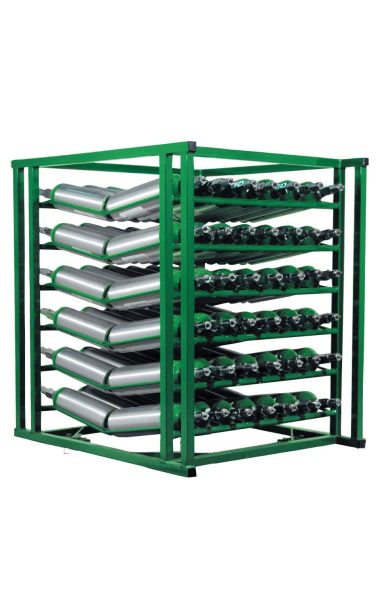
A layered cylinder rack is a multi-tier storage system designed to hold gas cylinders securely across two or more vertical levels. Unlike single-row racks that occupy extensive floor space, layered racks maximize vertical space.
How They Work
These racks typically feature reinforced steel construction with chain or bar restraints at each level. Non-sparking components and powder-coated finishes are standard for safety compliance. The design accommodates various cylinder sizes, from small specialty tanks to large industrial cylinders, with adjustable restraints to fit different diameters.
Basic Design Elements
Most layered racks include a stable base, vertical support columns, and horizontal platforms or cradles at each tier. Floor anchoring points provide stability, which matters when storing heavy cylinders at height.
Signs Your Current Storage Isn’t Working
Running Out of Floor Space
If your cylinders are crowding walkways or taking over valuable work areas, your current approach needs to change. A layered rack consolidates your cylinder inventory into a compact vertical arrangement, freeing up floor space for other uses.
Increased Cylinder Inventory
Growing operations often mean more gas cylinders on site. When your single-tier racks are full and you’re adding more storage, a layered system prevents the need for additional floor-mounted racks that eat into your workspace.
Safety and Compliance Issues
Cylinders stored improperly pose real hazards. Tanks left unsecured or grouped informally can fall, leak, or create obstructions. Layered racks with proper restraints address these risks while helping you meet OSHA and NFPA storage requirements.
Industries That Benefit Most
Layered cylinder racks work well across multiple sectors. Here are the industries where these storage solutions prove most useful:
- Welding and fabrication shops handling multiple gas types daily
- Healthcare facilities storing oxygen and medical-grade gases
- Laboratories and research centers with diverse specialty gas needs
- Manufacturing plants using gases for cutting, heating, and processing
- Food and beverage operations relying on CO2 and nitrogen
- Automotive service centers with tire inflation and welding gases
Any facility dealing with more than a handful of cylinders can benefit from the organized, space-saving design of layered storage.
Key Features to Look For
Load Capacity
Make sure the rack can handle the combined weight of all cylinders at full capacity. Check the manufacturer specifications for maximum load per tier and total rack capacity.
Restraint Systems
Quality racks include chains, straps, or bars to secure cylinders at each level. These restraints should be adjustable to fit different cylinder diameters and should release easily for quick access.
Material and Finish
Powder-coated steel resists corrosion and holds up in demanding environments. For outdoor use or humid conditions, look for galvanized or stainless steel options that won’t degrade over time.
Footprint Dimensions
Measure your available space before ordering. Layered racks come in various widths and depths, so choose one that fits your floor plan without blocking access routes or emergency exits.
Comparing Single-Tier vs. Layered Racks
Single-tier racks work fine when you have plenty of floor space and a small number of cylinders. They offer easy access and simple loading without reaching overhead.
Layered racks make sense when:
- Floor space is limited or expensive
- Cylinder counts exceed what single-tier racks can handle efficiently
- You want to consolidate storage in one location
- Vertical space is available and underutilized
- Future growth will require additional cylinder storage
The choice comes down to your specific space constraints and storage volume. Many facilities use a combination of both, keeping frequently accessed cylinders in single-tier racks and reserves in layered storage.
Safety and Compliance Considerations
OSHA and NFPA have standards governing compressed gas cylinder storage. Layered racks help you meet these requirements when designed and used correctly.
Ventilation and Separation
Proper ventilation prevents gas accumulation in case of leaks. Separation of incompatible gases remains important regardless of rack type. Your layered rack placement should account for these requirements.
Stability and Anchoring
Anchor points for floor mounting prevent tipping. This matters particularly with taller two-tier configurations where the center of gravity is higher. Never skip the anchoring step, even if the rack seems stable when empty.
Access and Handling
Train your team on proper loading and unloading procedures for multi-tier racks. The upper tier requires more careful handling, and some facilities use step platforms or cylinder lifts for safer access.
Why Choose Anthony Carts for Your Cylinder Storage Needs
Anthony Carts manufactures durable gas cylinder carts and storage solutions built for real-world industrial use. Our layered cylinder racks are designed with the same attention to quality and functionality that defines our entire product line. We understand that storage equipment needs to perform reliably day after day.
If you’re running out of space or need a better way to organize your cylinder inventory, contact Anthony Carts to find the right storage solution for your operation.
Making the Decision
A layered cylinder rack isn’t necessary for every operation. But when floor space gets tight, cylinder counts rise, or safety concerns emerge, these multi-tier systems offer a practical answer.
Evaluate your current storage situation honestly. Count your cylinders, measure your available space, and consider future growth. If the numbers point toward a need for vertical storage, a layered rack is worth the investment.
The right storage system keeps your cylinders organized, your workspace clear, and your operation running without the headaches of cluttered or inadequate storage.