
Transporting multiple oxygen cylinders safely and efficiently requires the right equipment. Whether you’re managing a medical facility, industrial workspace, or welding operation, a dedicated cylinder cart prevents accidents, reduces worker strain, and keeps operations running smoothly.
Gas cylinder carts designed for multiple tanks come in two main configurations: wheeled transport carts and stationary storage stands. Wheeled carts typically hold 2-4 M-size cylinders with handles for easy maneuvering, while stationary stands can accommodate 6-12 cylinders in fixed locations. The choice between mobile and stationary solutions depends on your facility layout, daily cylinder usage, and whether tanks need frequent relocation.
Understanding Cylinder Cart Capacity
M-size oxygen cylinders weigh approximately 115 pounds when full. A cart holding four cylinders manages nearly 500 pounds of weight plus the cart structure itself. This substantial load requires robust construction with reinforced frames and industrial-grade wheels.
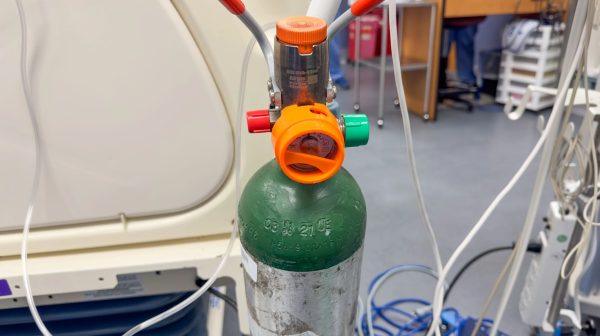
Most facilities use M-size cylinders because they balance capacity with portability. A single M-size cylinder contains 3,000 liters of oxygen, providing several hours of use depending on flow rate. Facilities that go through multiple tanks daily benefit significantly from carts that keep backup cylinders immediately accessible.
Wheeled Carts vs. Stationary Stands
Mobile Transport Solutions
Wheeled cylinder carts serve facilities where tanks move between departments or job sites. These carts feature large pneumatic or solid rubber wheels that handle thresholds, ramps, and uneven surfaces. The upright handle design lets one person maneuver multiple heavy cylinders without back strain.
Three-cylinder and four-cylinder models are most common for mobile applications. The base platform sits low to maintain stability, while chain restraints or retention bars secure cylinders during transport. Some models include tool trays or accessory hooks for regulators and wrenches.
Fixed Storage Stands
Stationary stands work well in locations where cylinders remain in one area. These units hold 6-12 cylinders in vertical positions with individual retention systems. The open frame design provides quick access to any cylinder without moving others.
Fixed stands take up less floor space than wheeled carts relative to capacity. A 12-cylinder stand occupies roughly the same footprint as two 4-cylinder mobile carts. This space efficiency matters in tight work areas or crowded storage rooms.
Safety Features That Matter
Proper restraint systems prevent cylinders from falling during transport or storage. Chain assemblies work well but require manual fastening each time. Spring-loaded retention bars offer faster cylinder loading while maintaining security.
The cart frame must isolate cylinders from each other. Metal-to-metal contact creates spark risks and damages cylinder surfaces. Look for designs with rubber bumpers, plastic dividers, or foam-padded retention systems.
Wheel locks are non-negotiable for any mobile cart. A loaded cylinder cart on an inclined surface becomes dangerous quickly. Quality carts include wheel brakes on at least two wheels, allowing workers to secure the cart during cylinder exchanges.
Weight Distribution and Stability
The center of gravity determines how easily a loaded cart tips. Wider wheelbases and lower deck heights improve stability. A cart with a 24-inch wheelbase handles much better than one with an 18-inch base when navigating corners or ramps.
Heavier cylinders should be loaded on the bottom positions of multi-level carts. This keeps weight low and prevents top-heavy configurations. Some facilities mark their carts with loading instructions to ensure consistent safe practices across all shifts.
Material Construction and Durability
Steel construction dominates the cylinder cart market for good reason. Steel frames handle the weight and abuse of daily industrial use. Powder-coated finishes resist scratches and corrosion better than paint.
Wheel quality varies significantly between manufacturers. Pneumatic tires provide the smoothest ride over rough surfaces but require occasional inflation. Solid rubber wheels need no maintenance and work well on smooth concrete floors. Cheap plastic wheels crack under heavy loads and should be avoided.
Selecting the Right Cart for Your Operation
Consider these factors when choosing a cylinder cart:
- Daily cylinder consumption and turnover rate
- Distance cylinders travel from storage to use points
- Floor surface conditions and presence of ramps or thresholds
- Available storage space in your facility
- Number of staff members handling cylinder transport
- Budget for initial purchase and long-term maintenance
Common applications for multiple-cylinder carts include:
- Hospital oxygen supply systems with decentralized storage
- Welding shops running multiple stations simultaneously
- Manufacturing facilities with backup gas supplies
- Laboratories using various gas types
- Emergency response equipment caches
Maintenance and Inspection Requirements
Regular inspection catches problems before they cause accidents. Check wheel integrity monthly, looking for cracks, flat spots, or excessive wear. Test wheel locks to confirm they engage fully and hold the loaded cart securely.
Inspect all retention chains, bars, and straps for damage. Replace any frayed chains or cracked retention components immediately. Lubricate moving parts semi-annually to maintain smooth operation.
Frame welds should be examined for cracks annually. A crack in a structural weld can lead to catastrophic failure under load. Any cart with frame damage should be removed from service until properly repaired.
Finding Quality Cylinder Transport Equipment
Anthony Carts manufactures purpose-built cylinder carts and stands designed for the demanding requirements of oxygen and industrial gas transport. Our M-size cylinder cart lineup includes wheeled transport carts holding 2-4 cylinders and stationary storage stands accommodating up to 12 cylinders.
Contact Anthony Carts today to discuss which cylinder transport solution fits your facility’s specific needs and receive a detailed quote on our complete product line.